We all know from history textbooks, popular novels and Hollywood movies a multitude of “war heroes” who killed and died for their country. But maybe we should learn more about historical figures who promoted peace and international cooperation?
This post will be the first in a series of texts on “heroes of peace”. You have all probably heard about famous peacemakers and non-violent activists, such as Mahatma Gandhi, Martin Luther King, Rosa Parks and Malala Yousafzai, so I would like to focus on lesser known figures from the history of peace. Rather than summarising their biographies, I will be reflecting here on some of their past achievements in light of current events and contemporary challenges to peace.
The first “hero of peace” I would like to introduce to you is Fridtjof Nansen (1861-1930) -Norwegian zoologist, diplomat and famous Arctic explorer who was awarded the Nobel Peace Prize in 1922 for his humanitarian actions on behalf of prisoners of war and refugees who were displaced in the aftermath of the First World War.
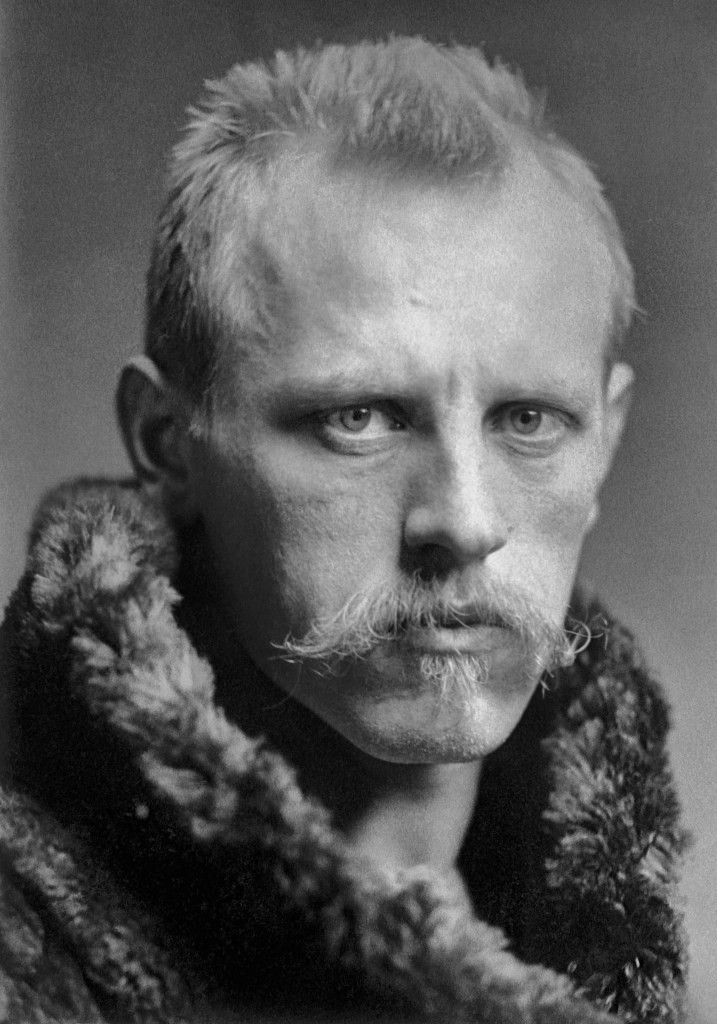
Today Nansen is best known for an ingenious scheme that saved the lives of at least 450,000 “stateless” refugees from Russia and the former Ottoman Empire. The Russian civil war that erupted after the overthrow of Tsar Nicholas II in 1917 resulted in the displacement of more than one million refugees. Without valid passports hundreds of thousands of them became stranded in overburdened countries, such as Turkey or Poland, where they languished in increasingly difficult conditions and were not able to travel to Western Europe or America where permanent housing and employment might have been more easily available.
Appointed by the League of Nations (a forerunner of the United Nations) as its High Commissioner for Refugees, Nansen introduced temporary travel permits for Russian refugees that could be used as a substitute for national passports. These documents – known as “Nansen passports” – were recognised by most countries in the world and were subsequently issued not only to refugees from Russia but also to stateless Armenians and other ethnic groups displaced by the breakup of the Ottoman Empire. Similar travel documents for stateless people are nowadays issued by the United Nations.
Nansen’s personal integrity and willingness to deal with both winners and losers of the First World War enabled him to successfully negotiate the repatriation of prisoners of war and refugees. Ironically, he was often vilified in the West for negotiating with the Russian Bolsheviks. I think that Nansen’s most important lesson for today would be that peacemakers should always strive to maintain an impartial dialogue between both sides of a conflict. In the face of the escalating war in Ukraine and the looming global confrontation between the USA and China, the world desperately needs someone who could fill Nansen’s shoes.
In the course of his humanitarian work Nansen worked out principles of refugee protection which after the Second World War were further developed into the 1951 Refugee Convention of the United Nations. One of the core ideas introduced by Nansen into international law is the principle that refugees should not be forced to return to unsafe countries against their will. In the early 1920s Nansen frequently and often successfully intervened with the Polish government on behalf of “undesirable” refugees who were threatened with deportation back to Bolshevik Russia where they lives would be in danger. A hundred years later, refugees from the Middle East and Africa (including pregnant women, children and disabled persons) who manage to cross the border between Belarus and Poland in search of asylum in the European Union are forced by Polish border guards back into the swamps of the Białowieża Forest where dozens of them have already died of cold and exhaustion… Unfortunately there is no one of Nansen’s stature in Europe today who could put an end to the illegal and shameful practice of “pushbacks” along the borders of the EU.
In this short post I offered you only a few glimpses into the extraordinary life of Fridtjof Nansen, but, if you are interested in finding out more about this inspiring “hero of peace”, you will find plenty of information online. A good place to start would be this short video made by the Norwegian Refugee Council.
One last thing that I find remarkable about Nansen is that when travelling across Europe on official duty for the League of Nations he would always pay for the long-distance train rides and other expenses out of his own pocket. Can you imagine our jet-flying politicians ever paying themselves for trips to international summits?
 History of Peace